
Your power, discovered through coaching.
I help leaders and teams realise growth opportunities, strengthen leadership impact and drive commercial results.
You might be herebecause you are :
A Founder
Balancing growth, decisions, and leadership pressure
A Sales professional
Aiming to improve performance, consistency, and confidence
An Executive
Navigating responsibility, influence, and change
A Leader
Seeking clarity, confidence, and meaningful progress
Exploring coaching for:
- Results
- Confidence
- Leadership skills
- Growth
- Performance
- Inspiration
What we can do
For You :
Coaching designed around your goals, your pace, and your purpose.
Personal & Executive Coaching
Move forward with clarity and confidence by connecting mindset with action, embracing strengths and weaknesses, and expanding your impact.
Leadership Coaching
Lead with trust, empathy, and adaptability, inspiring teams to follow you and creating lasting positive change.
Sales Coaching
Develop sales skills, confidence, and results with personalised guidance in strategy, negotiation, and pipeline building.
For Your Organisation :
Invest in Your People
Team Coaching & Leadership Programs
Enhance collaboration, performance, and self-awareness across teams through professional coaching that builds alignment and accountability.
Keynotes & Workshops
Engaging talks and interactive programs that shift mindsets, strengthen leadership, and foster a supportive, high-performing culture.
Sales Coaching & Training Programs
Accelerate sustainable growth by developing your sales team, optimising strategy, and improving execution across your organisation.
How Do I Work?
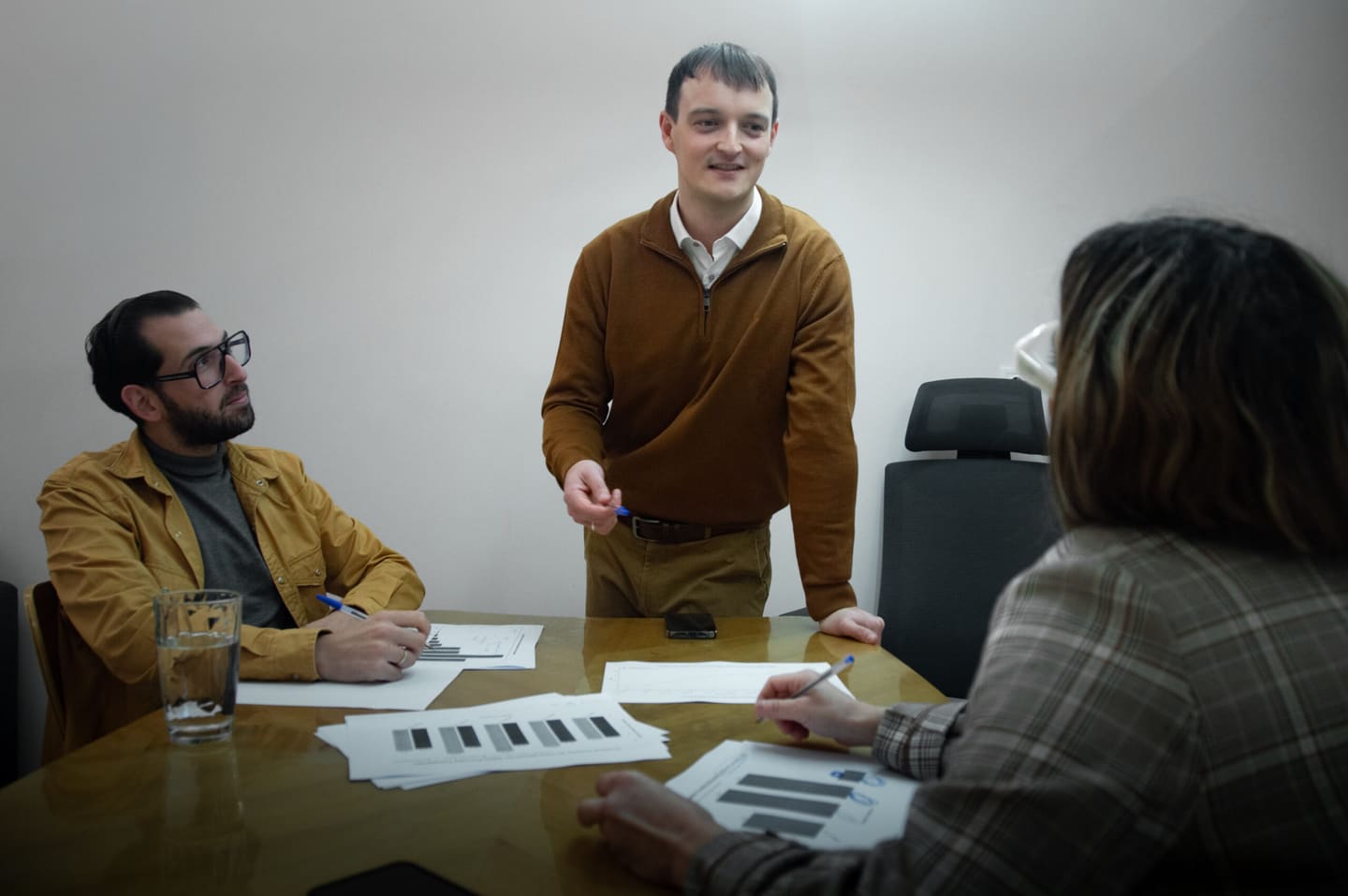
Coaching with me is a safe, reflective space, where we co-create clear, actionable paths forward.
I bring a unique combination of engineering expertise and commercial experience, understanding both systems and people.
I have navigated multiple industries, countries, and organisational stages, giving insight into what drives sustainable growth
I help leaders and teams build practical skills, mindset shifts, and behaviours to grow in times of change.
Executive Coach
Tailored Growth
Leadership & Sales
High Performance
French, English, Greek
International
ACC ICF
Accredited Coach
Your Coaching Journey
- 1
Let’s Connect
Book a relaxed first call where we discuss your goals, expectations, and see if coaching with me feels like the right fit.
- 2
Co-Create a Plan
Together, we decide on the format, frequency, and focus, whether it’s 1:1 sessions for you, or a programme for your team or organisation.
- 3
Begin & Grow
Start the coaching journey, apply insights in the real world, and review progress along the way to ensure results and lasting impact.
What my clients say about me
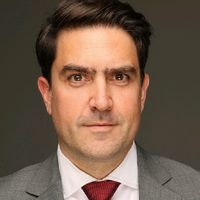
“In the lead up to the launch of Craftille, I felt exceedingly lucky to have Tom’s mentorship on defining our sales strategy. Whilst I am from a commercial background myself, it was beyond valuable to work with some that brought new ideas and ways of doing things to the table to challenge my thinking, and also push me out of my comfort zone. Tom is an experienced sales expert, and during a moment of trying to make a number of different decisions for the launch, his clear and practical coaching style was exactly what I needed. Thank you Tom for your help and support in getting Craftille off the ground, and looking forward to the ongoing work we can do on sales development together”
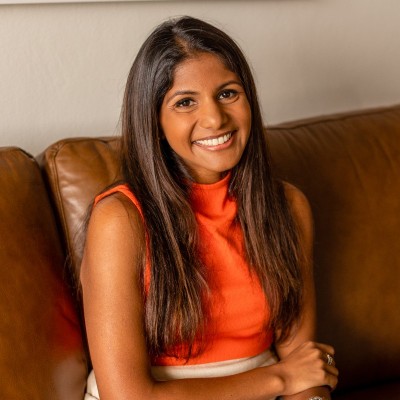
Yasmin Ainkaran
Founder of Craftille


Frequently Asked Questions
What is coaching?
Coaching is a transformative journey where you discover your true potential. What is coaching all about? Imagine driving along a road you’ve never travelled before. You’re in the driver’s seat, in control of the destination, but beside you is a trusted navigator — your coach — helping you see new possibilities, find alternative routes, and ensure you don’t lose focus. This partnership empowers you to unlock answers you already possess, while also challenging you to go further than you imagined. At its heart, coaching is about exploration. It’s a process that sparks creativity, fuels personal growth, and maximises both professional and personal potential. Through powerful questioning and insightful dialogue, coaches support you in discovering your own solutions, whether for life decisions, career changes, or business challenges. Coaching goes beyond surface-level improvements; it cultivates deep, lasting change.
Who can benefit from coaching?
Coaching can help anyone, regardless of background or experience. Its success relies on partnership: both the coach and the coachee share responsibility for exploring possibilities, setting goals, and taking meaningful action.
How long does coaching take?
It depends on your goals. Some clients see clarity and results in just a few sessions, while others engage in ongoing programmes. A standard first programme typically consists of six one-hour sessions, held bi-weekly. Together, we create a plan that fits your needs and objectives.
Can organisations benefit from coaching too?
Yes. Teams, leaders, and organisations use coaching to improve collaboration, alignment, and performance. External coaching provides an unbiased perspective and helps develop talent while fostering a culture of growth.
Growth Insights
Your Network Is Your Net Worth

Why Team Coaching Becomes Essential When a Startup Starts to Plateau

Founder-Led Authenticity: The 2026 GTM Game-Changer for Revenue Growth
The Great Job Shift: AI, Work, and the Future of Human Value
From micromanaging to empowering : a coaching blueprint for SDR leaders
← swipe to explore →
Weekly insights to support your growth
Get weekly ideas, tools and reflections to develop your leadership and support your professional growth.
In this newsletter, you'll find:
- Actionable advice for sales and leadership challenges
- Tools to support long-term career growth
- Honest perspectives from hands-on coaching experience
- Ideas you can test immediately in your work